
Posted on

Our Ascension Letting Tenant’s FAQs

tenant's FAQs - carbon monoxide alarm

Existing Tenant’s FAQs

This guide is for our existing tenants who are already enjoying their Ascension managed homes.

At Ascension Letting, we believe good property management is built on communication and support. We’re always happy to answer any questions our tenants have at any time, but we thought it would be good to collect the most common questions we get asked in once place.

Reporting Repairs & Maintenance

How do I report a repair or maintenance issue?

If you spot a maintenance issue in your property, please report it as soon as possible using our online repair reporting system. This allows us to log your request quickly and send the right contractor to help.

For emergencies – such as leaks, heating failures, or electrical hazards – please call our team immediately on 0141 816 2010 if within office hours. If not, please call our emergency line on 07444 280272.

What counts as an emergency repair?

An emergency repair is any issue that risks health, safety, or significant property damage.

Examples include:

  • Burst or leaking pipes
  • No heating or hot water during winter
  • Electrical faults or power outages
  • Security concerns such as broken locks or smashed windows

If you are ever unsure whether an issue qualifies as an emergency, contact your property manager for guidance.

Can I arrange my own contractor for repairs?

Tenants should avoid arranging their own contractors unless there is a genuine emergency and our team cannot be reached.

Unauthorised repairs may not be reimbursed by the landlord if approval has not been given beforehand.

Heating, Plumbing & Electrical Advice

How should I manage my heating during winter?

During colder months, it’s important to avoid switching your heating off entirely, especially if you are away from the property.

Keeping the heating set between approximately 7–12°C can help prevent frozen pipes and reduce the risk of costly water damage.

We also recommend:

  • Testing your boiler before winter begins
  • Checking radiator controls are balanced properly
  • Using your thermostat efficiently to regulate temperatures

Heating engineers are often busiest during winter, so identifying issues early can help avoid delays.

How do I bleed a radiator?

If your radiator is warm at the bottom but cold at the top, trapped air may need released.

To bleed a radiator safely:

  1. Switch off your heating system
  2. Use a radiator key to slowly open the bleed valve
  3. Allow trapped air to escape
  4. Once water begins flowing steadily, close the valve tightly

If several radiators remain cold, contact your property manager, as this may indicate a larger system issue.

What should I do if I have a leaking or burst pipe?

For smaller leaks, place a container underneath to protect flooring and belongings.

For burst pipes:

  • Turn off the water supply at the stopcock
  • Open taps to drain remaining water
  • Contact Ascension Letting immediately

Acting quickly can significantly reduce property damage.

What should I do if an electrical issue occurs?

If electrical fittings or appliances become wet, avoid touching them.

Instead:

  • Turn off power at the consumer unit (fuse box)
  • Check whether a circuit breaker has tripped
  • Avoid overloading sockets with multiple appliances

If the issue persists, contact your property manager immediately.


During Your Tenancy

 What maintenance responsibilities do tenants have?

Tenants are expected to carry out basic day-to-day upkeep within the property.

This typically includes:

  • Replacing lightbulbs and fuses
  • Cleaning windows
  • Maintaining gardens and pathways
  • Ventilating rooms to reduce condensation
  • Keeping drains clear

If you’re ever unsure whether something falls under tenant responsibility or landlord responsibility, our team is always happy to clarify.

Can I decorate or make changes to the property?

Tenants must obtain written permission from the landlord before decorating, installing fixtures, or making alterations.

Unauthorised changes may need to be reversed at the end of the tenancy, with associated costs potentially charged to the tenant.

How often are property inspections carried out?

Routine inspections are typically carried out every six months, with at least 24 hours’ notice provided.

These inspections allow us to:

  • Identify maintenance issues early
  • Monitor damp or condensation
  • Check sealants, tiles, windows, and general wear
  • Ensure the property remains well maintained

If there are any concerns you would like checked during an inspection, simply let your property manager know beforehand.

Can someone else move into the property?

Only tenants listed on the tenancy agreement are permitted to live in the property.

Adding occupants or subletting without written permission breaches the tenancy agreement and should always be discussed with your property manager first.

Are pets allowed?

Under Scottish legislation, tenants have the right to request permission to keep a pet in their rental property. Any request should be made in writing to your property manager, including details about the type of pet.

Landlords cannot unreasonably refuse a pet request, but consent may still depend on factors such as:

  • The type or size of the property
  • The suitability of the animal for the property
  • Building or title restrictions
  • Potential welfare or safety concerns

If permission is granted, additional conditions may apply, such as professional cleaning requirements at the end of the tenancy where appropriate.

Please speak with your property manager before bringing any animal into the property.


Safety & Security 

What should I do if I lose my keys?

If keys are lost, contact our team immediately.

Where possible, a spare set may be collected (with valid identification) to arrange duplicates at your expense. If locks require changing for security reasons, locksmith costs may also be charged.

What should I do after a break-in or vandalism?

In the event of a break-in or vandalism:

  1. Contact the police immediately
  2. Obtain a crime reference number
  3. Inform Ascension Letting so repairs or security measures can be arranged

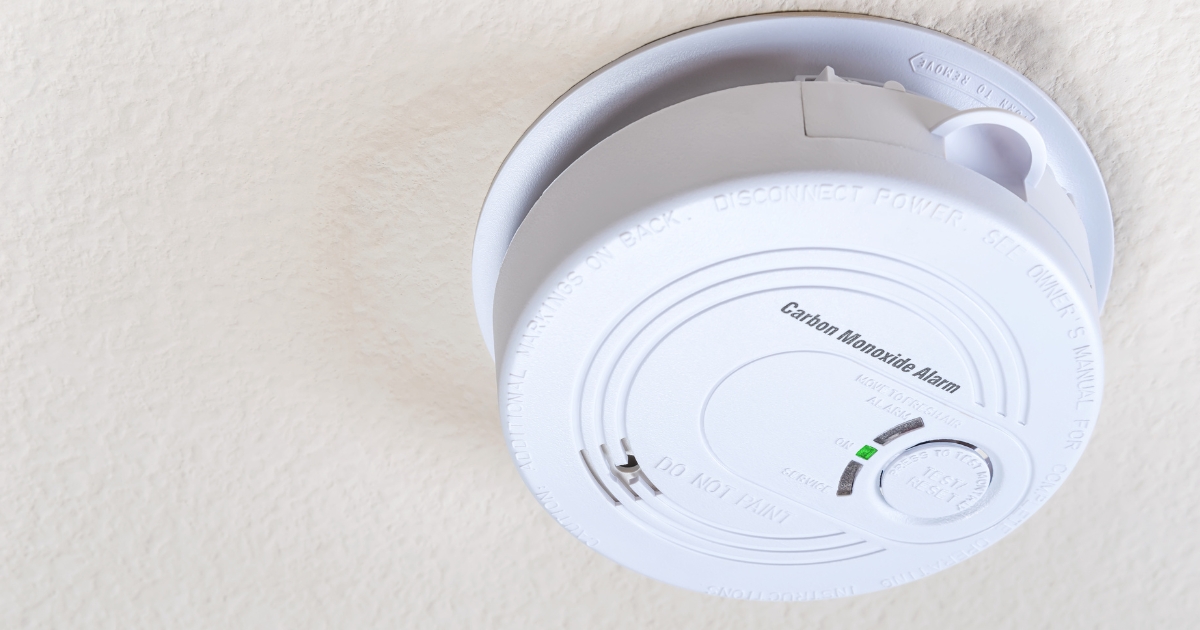
How often should smoke and carbon monoxide alarms be tested?

We recommend testing alarms monthly and replacing batteries when required.

If an alarm stops functioning or cannot be fixed easily, contact us immediately so we can arrange a replacement.

How often are gas appliances checked?

All landlord-owned gas appliances are inspected annually by a Gas Safe registered engineer.

Tenants will be contacted to arrange access for these inspections.

If you own personal gas appliances such as cookers, you are responsible for arranging your own servicing.


Utilities, Council Tax & Communication

Who is responsible for utilities and council tax?

Tenants are responsible for arranging and paying utility accounts and council tax from the start of the tenancy.

We recommend taking meter readings on move-in day and providing these to your utility suppliers immediately.

What should I do if I receive mail for the landlord?

If mail arrives addressed to the landlord, please forward it to our office.

Formal notices or legal correspondence should always be reported to us immediately.


Rent, Arrears & Moving Out

How is rent paid?

Rent should be paid monthly by standing order to the bank account detailed within your tenancy agreement.

Payments should always be made on or before the due date.

What happens if I cannot pay rent on time?

If your circumstances change, contact us as early as possible.

Open communication allows us to work with tenants proactively before arrears escalate.

How much notice is required before moving out?

Under a Scottish Private Residential Tenancy (PRT), tenants must provide a minimum of 28 days’ written notice before leaving the property.


Posted on

Prospective Tenant Advice (2026)

prospective tenant advice - tenants touring potential home

Prospective Tenant Advice

Searching for your next home to rent can feel overwhelming, especially in a fast-moving rental market. At Ascension Letting, we aim to make the process as clear and straightforward as possible from your very first enquiry through to move-in day.

This guide has been created for a prospective tenant considering renting through Ascension Letting. It covers the most common questions around viewing properties, applying for a tenancy, referencing, deposits, move-in procedures, and what to expect throughout the process.

Our goal is to provide well-managed homes, clear communication and a positive renting experience from the very beginning.


Finding Your Next Home

How do I find properties to rent with Ascension Letting?

You can browse our up-to-date listings here. We carefully select landlords who maintain high-quality homes, ensuring every property we manage meets our standards before being listed.

What should I consider when searching for a rental property?

Think about your lifestyle, location preferences, transport links and budget. Properties in popular areas of Edinburgh, Glasgow and Dundee move quickly – we recommend setting alerts or registering your details with our team to hear about new listings first.

Can I view a property before applying?

Yes, all applicants (or a nominated representative) must typically view the property in person before we can accept an application.

How do I book a viewing?

Click “Arrange a Viewing” on the property listing and fill in your details, or call our office on 0141 816 2010 (Mon-Fri, 9am-5pm). Our team will confirm a suitable time and ask a few basic questions to ensure the property is right for your circumstances.

Are virtual viewings available?

In some cases, yes. For tenants relocating from outside Scotland, we can provide virtual or video tours where available.


Application & Tenant Criteria

How do I apply for a rental property?

Once you’ve viewed a property, complete the online application form provided by your Lettings Agent. We’ll send your application to the landlord for review – we don’t operate on a first-come, first-served basis.

What information should I include in my application?

List all tenants (including children), provide your employment details and include references to help your application stand out.

What documents do I need to rent a flat in Scotland?

To rent a property in Scotland, you’ll need to provide documents that confirm your identity, address, income and eligibility to rent. These checks help landlords and letting agents comply with legal requirements and ensure you can afford the tenancy.

Typically, you’ll be asked for:

  • Proof of ID: Passport, driving licence, or birth certificate.
  • Proof of address such as recent utility bill, bank statement, or council tax letter (within the last 3 months).
  • Proof of income or employment, for example, recent payslips, an employment contract, or a letter from your employer.
  • Self-employed tenants will require 1-3 years of accounts or a letter from your accountant.
  • Previous landlord or character references to demonstrate reliability as a tenant.
  • Right to rent documents (if applicable) such as a visa or residence permit for non-UK residents.
  • Guarantor details (if required) such as proof of ID and income from a UK-based guarantor.

Having these documents ready in advance helps speed up your application and improves your chances of securing the property.

What are the tenant eligibility criteria?

To rent with Ascension Letting, you’ll generally need:

  • A combined annual income of at least 30× the monthly rent (or a UK-based guarantor).
  • Three years of accounts or accountant confirmation if self-employed.
  • A UK guarantor if you’re a student.
  • Proof of right to rent in the UK if you’re a non-UK resident (passport, visa, or job contract).

Every situation is different, so contact us if you’re unsure – we’ll do our best to help.

What happens after I submit my application?

Your details are sent to the landlord for approval. Once approved, you’ll be asked to pay a partial deposit before referencing checks begin.


Referencing & Approval

What checks are carried out before I move in?

All adult tenants and guarantors are reference-checked by a trusted third-party provider. This includes:

  • Credit and financial history
  • Employment verification
  • Landlord reference
  • Affordability and bank validation checks

You’ll receive a secure link by email to complete your details online.

How long does referencing take?

Typically, reference checks take 2–5 working days, depending on how quickly your referees respond.


Tenancy Agreements & Deposits

What type of tenancy will I have?

All our tenancies are set up as Private Residential Tenancies (PRTs) under Scottish law. You’ll receive your agreement electronically for review and signing.

How is my deposit protected?

Your deposit is securely registered with an approved Scottish Tenancy Deposit Scheme (such as SafeDeposits Scotland or Letting Protection Service Scotland). You’ll receive full confirmation and scheme details shortly after your tenancy begins.

When will I get my deposit back?

Once your tenancy ends and the final inspection is complete, your deposit will be returned, minus any agreed deductions for damage or unpaid rent. You’ll receive a detailed written breakdown if any deductions are made.

Can I dispute deductions from my deposit?

Yes, of course. If you disagree with any proposed deductions, you can raise a dispute through the Tenancy Deposit Scheme, which will review both sides independently.


Before & During Move-In

Will I get an inventory before moving in?

Yes, you will be provided with a detailed photographic inventory before your move-in date, documenting the property’s condition for your peace of mind.

What happens on move-in day?

A member of our team will meet you at the property to hand over keys, explain how everything works, take utility meter readings and transfer accounts into your name. We’ll make sure you feel settled and supported from day one.

When is rent due, and how do I pay it?

Rent is paid monthly in advance by standing order to the account listed in your tenancy agreement. Please ensure payments are made on or before the due date to avoid arrears.

Can I have pets in the property?

Under Scottish legislation tenants are entitled to request permission to keep a pet within the property.

If you are applying with a pet, please discuss this with the Lettings Agent as early as possible. Information such as the type of animal, age, breed, and living arrangements may help support your request.

Permission may depend on factors including:

  • Property type and size
  • Building restrictions
  • Suitability of the property for the animal
  • Previous tenancy references where relevant

Any approved pet arrangements will be confirmed in writing as part of the tenancy agreement.

Can I redecorate or make changes to the property?

You’ll need written permission from your landlord before making any alterations or decorating.


General Questions

Who do I contact if I have a maintenance issue?

Once you’ve moved in, you’ll have access to our online maintenance reporting system. For urgent issues such as leaks or heating failure, call our 24/7 emergency line.

What documents will I receive before moving in?

You’ll receive:

  • Your signed tenancy agreement (PRT)
  • Deposit scheme confirmation
  • All relevant compliance documentation
  • Inventory report

Do you rent to students?

Yes, we work with many student tenants – you’ll just need a UK-based guarantor or proof of funds.

Can I end my tenancy early?

Under a Private Residential Tenancy, tenants must provide at least 28 days’ written notice. Contact us if you’re considering moving out early, and we’ll guide you through your options.


Already a tenant?

Check out our FAQ guide with all our existing tenant advice.

Posted on

The Best Areas to Live or Invest in Dundee (2026 Guide)

best areas to live or invest in dundee 2026, v&a dundee museum exterior, brutalist architecture with people walking

Dundee’s got a big personality for a small city. Folk are friendly, it’s easy to get around and it doesn’t take long to feel at home. But where is the best areas to live or invest in Dundee? With a population of around 150,000, it’s Scotland’s fourth-largest city – big enough to have plenty going on, but small enough that you’re never far from green space or a decent coffee. Not to mention you have access to 90% of Scotland within a 90 minute drive.

Sitting on the east coast, Dundee sometimes gets overlooked in favour of Edinburgh’s history or Glasgow’s buzz, but in terms of day-to-day liveability – it holds its own. It’s a practical base for commuters, a great place to study and a solid option for families who want space without big-city prices.

It’s the home of The Beano and Dennis the Menace, and there’s a sense of local pride in the city’s history. Dundee’s walkable, easy to settle into and your experience here really comes down to what matters most to you – value for money, job prospects, pace of life, or easy access to culture and the outdoors.

Thanks to the mix of students, researchers, creatives and professionals, the city feels lively without being hectic. Here’s an honest look at what living in Dundee is really like.

Property Prices in Dundee

Over the last year, Dundee property prices have shown steady growth. Prices were up 6% year-on-year, sitting around 5% above the previous market peak.

Property Type | Average Price

Flats | £121,611
Terraced Homes| £160,094
Semi Detached |£211,825
Market Average | £182,376

Best Areas to Live or Invest in Dundee

Broughty Ferry (The Ferry)

Four miles east of the city centre on the banks of the Firth of Tay, Broughty Ferry is the most sought after in the Dundee market.

Schools in the area have strong reputations, attracting families who need to be close to city life.

There’s an eclectic mix of traditional villas built by former jute barons to new modern builds. It’s connected and calm. Perfect for families and professionals.

Menzieshill

A 20-minute bus to the west of the city is Menzieshill. It’s within walking distance to Ninewells Hospital making it a popular location for NHS staff.

Housing ranges from affordable flats to terraced homes and modern developments, making it ideal for first-time buyers, NHS staff and young professionals.

West End

Period homes and leafy streets, Dundee’s West End has character and charm. Home to the main campus of the University of Dundee, it’s a popular hub for students and academics. The Cultural Quarter is nearby and the area boasts many of the city’s highest-rated independent food and drink spots.

Dundee’s Oldest Park, Magdalen Green and University of Dundee Botanic Garden make picnics with friends and coffee walks an easy way to spend your time in Scotland’s sunniest city.

Lochee

Lochee still carries that “wee town” feel locals love – community and good value. It’s particularly attractive to first-time investors and renters looking to maximise space for budget. Local events give the area real life, while green space is a big draw, with Lochee Park on your doorstep with its football pitches and bowling green, and Balgay Park and Victoria Park Dundee nearby. It’s only a short cycle into central Dundee and there is no shortage of transport routes, it’s a well-rounded option for everyday living.

Tayport (across the Tay in Fife)

Just across the river in Fife, Tayport is a popular commuter town for Dundee. We obviously have to start with the fact that bottlenose dolphins regularly appear in the estuary, particularly around the harbour mouth on calm summer evenings.

Along the coast you’ll find Tentsmuir National Nature Reserve, a vast stretch of woodland, dunes and beach that’s home to seals, seabirds, otters and rare butterflies, plus the much-loved Salt and Pine Scotland for a well-earned coffee stop after a walk.

It’s ideal for families and professionals who want space, nature and value while staying within easy reach of Dundee’s job market.

Dundee’s Culture & Connectivity

Gaming, digital design, theatre – Dundee is known globally for its cultural contributions. For those locally it means creative job roles, cultural activities and great investment opportunities.

Green space (41% of Dundee is dedicated to publicly accessible greenspace), coastal walks, shopping hubs, incredible food and drink scene, and access to one of a kind activities and local businesses.

It’s easy to get around, with reliable buses and a walkable centre. Dundee railway station offers regular services to Glasgow, Edinburgh and Aberdeen, all within around 1-1.5 hours, making Dundee practical for the committed hybrid worker and commuter.

Investing or Living in Dundee 

Looking for your next home or your next investment? Dundee offers a rare mix of affordability, lifestyle and long-term stability. Family-friendly suburbs, high-demand rental hotspots – there’s something here for every stage of life and every type of portfolio.

If you’d like tailored advice on where to invest, what to rent, or how to maximise returns in Dundee, our Regional Director Cameron is happy to help.