As Scots, we are well acquainted with the cold. It’s an unavoidable reality of having to step out your front door.
Sadly, we can’t do much about the weather itself, but we can help you make sure your home isn’t on first-name terms with it.
For Big Energy Saving Week we’ve compiled a list of tips to warm your home and save on bills we use in our own and around the office, that we recommend to every tenant and homeowner. There’s no need to overhaul your lifestyle or invest in expensive gadgets; we’ve found the most effective changes are the simplest ones.
January, with its bitter mornings and nippy nights, is the perfect time to put a few of these into practice.
Getting The Most from Water Use in Winter
Water heating is one of the biggest energy drains in most homes – especially in winter, when those extra few minutes in the shower feel like survival rather than a luxury. And while we’d never suggest starting your day shivering, guidance from organisations like the Energy Saving Trust shows that keeping showers to around four minutes can noticeably reduce energy and water use, and monthly bills.
It goes without saying that this might not be realistic for everyone, but it’s not about perfection or cutting out comfort altogether; it’s about being a little more intentional, more of the time. So, reduce your shower time where you can and try out a few more habits to get more out of the warmth you’re already using:
- Keep the bathroom door closed, run the extractor fan or crack a window to prevent damp and mould, which can make homes harder (and more expensive) to heat.
- Lower the water temperature slightly, cooler showers use less energy and can still feel perfectly comfortable.
- Turn off taps while brushing your teeth or shaving and use cold water where hot isn’t necessary.
Small tweaks, repeated daily, tend to have the biggest impact, without turning your morning routine into a Bear Grylls endurance test.
Heating Your Home More Effectively
Heating your home efficiently doesn’t mean blasting the thermostat and hoping for the best, especially in many Scottish homes, where age and layout call for a more thoughtful approach. There’s little benefit in turning the heating up if that warmth is simply escaping straight back outside.
A good place to start is draught-proofing. Sealing gaps around windows and doors, adding insulation where possible, or fitting simple draught excluders and weatherstrips can make an immediate difference. These are relatively small, low-cost fixes, but the payoff is significant when it comes to keeping heat you do use where it belongs.
When it comes to temperature, setting your thermostat between 18°C and 21°C usually strikes the right balance to keep things comfortable. Programming your heating to switch off when you’re asleep or out of the house can also prevent unnecessary energy use. We appreciate that heating controls aren’t always the most intuitive, but most energy providers are happy to guide you through setting them up properly if you need a hand.
For an extra boost, radiator reflectors placed behind radiators on external walls help bounce heat back into the room rather than letting it disappear through the wall. These are easy to install, even in rented homes. Pair that with closing curtains or blinds once it gets dark to trap warmth inside and opening them during daylight hours to let the sun lend a hand. You’ll start to notice your home holding onto heat far more effectively.
Rethink Washing & Drying Habits
Something you’ll be just as familiar with as the cold: the washing. It’s one of those unavoidable rites of adulthood, endlessly recurring and rarely exciting.
But when a task comes around this often, it’s worth making it work a little harder for you. A few small changes can reduce running costs and be kinder to the environment without asking you to rethink your entire routine.
Using your washing machine’s eco cycle or washing at lower temperatures (around 30°C) can make a noticeable difference. Modern detergents are designed to work effectively at these settings, meaning your clothes still come out clean while using far less energy.
Where possible, swap the tumble dryer for a heated clothes airer or an indoor drying rack. These are significantly cheaper to run and, when paired with good ventilation, can help reduce moisture and damp issues that tend to crop up during winter.
And on the days when the tumble dryer is unavoidable, a simple trick is to throw a dry towel in with the load – it absorbs moisture and can cut drying time more than you’d expect.
Daily Habits That Save Energy
When it comes to the everyday habits, these can be the easiest things to overlook because they feel insignificant, but even small things like overfilling the kettle wastes unnecessary energy. A simple switch to only using what you need or filling a thermos each morning is an easy change that pays off.
When it comes to cooking, try and cook in batches or use appliances like microwaves, air fryers (we know most people don’t need convincing to use one of these), or slow cookers that can be more energy-efficient than conventional ovens.
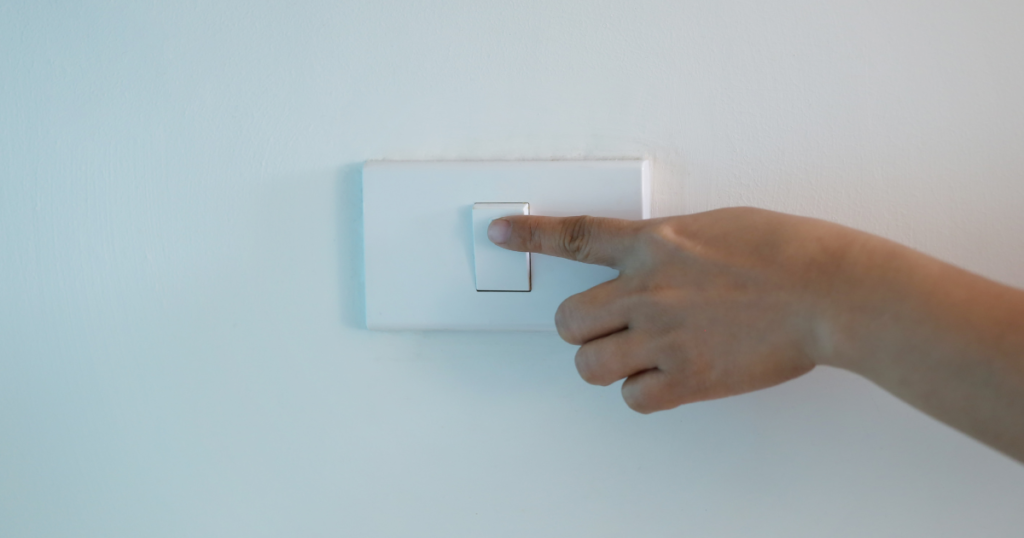
This probably sparks a few debates in most households, but turning lights and appliances off at the wall instead of leaving them on standby does actually make a difference, even small devices can cost money if left plugged in.
One you’ll definitely know, but it doesn’t hurt to mention: make the switch to LED light bulbs if you can, they use up to 75% less energy than older bulbs and last much longer.
It takes around 2 months for something to become a habit. If you intentionally practice a few of these, by the end of the year it’ll be second nature, and your bank account and the planet will be grateful for the effort.
A Warmer Home Doesn’t Have to Cost More
Big Energy Saving Week is the perfect moment to start habits that pay off all year. You don’t need perfect habits, just consistent, realistic ones. Small changes can make your home more comfortable and lower your bills at the same time, with low effort.
Nothing unites those that live in Scotland quite like the cold in winter. A warm, comfortable home shouldn’t feel out of reach – and with a few simple, practical changes, it doesn’t have to be.